Articles.
Guides and side-by-side comparisons on CRMs, pipelines, sales process and AI in sales. Every article lists its sources.
Editor’s pick

CRM migration: who holds your data while it moves?
I read the termination clause in ten CRM contracts, asking one question: when you leave, how long do you have to get your data out? Five of the ten promise you nothing.
Read the articleEvery article, newest first.
Pipedrive Nova: features, pricing and availability
Pipedrive's AI meeting tool went generally available on 16 September 2026. What it briefs, records and drafts into the CRM, which plans get it, what's still unverified, and how it compares to a standalone recorder.
Pipeline velocity: the formula and how to raise it
Four numbers your CRM already has, combined into one answer: how fast your pipeline turns into revenue, and which of the four you can actually move first.
What is MEDDPICC? Each letter, with example questions
Eight letters, eight questions to ask a real deal, and the CRM field each answer belongs in. Plus the court case that just settled who owns the term.

CRM implementation: steps, timeline and real costs
Every phase, timeline and fee line read from vendor pages on 29 September 2026, including the ones the pricing page puts in a footnote: data cleanup, integrations and training.

What is a sales pipeline? Stages, metrics and reviews
The stages a deal moves through, the numbers that come off it, and how to review it without leaning on a coverage rule nobody can source.

Inbound lead qualification: which leads to call first
Not every form fill is a demo request. A method for tiering inbound leads by intent, fit and timing, using only the fields that exist the moment someone submits.

What is lead routing? Models, rules and where it breaks
Routing is the set of rules that decides who owns a new lead and how fast. Four models, one catch-all rule every setup needs, and the three places a lead goes quiet.

What is lead enrichment? The fields worth paying for
Enrichment adds data to a lead before a rep ever sees it. Most of that data just decorates the record. This is which fields actually change routing and the first call, and what the tools that add them cost.
CRM reporting: 6 reports every sales leader needs
What came in, what moved, what stalled, what's at risk, who's overloaded, and what closed. What each report should show, and exactly how to build it in HubSpot and Pipedrive.
MQL vs SQL: definitions and handoff criteria
Both terms are usually explained as slide definitions. In your CRM they are fields, and only one mainstream platform ships them out of the box. Here is what each one actually is, in five systems, with the thresholds that move a lead across.

Pipedrive pricing: what each plan actually includes
Every Pipedrive plan read line by line on 29 September 2026: what each one unlocks, the usage limits that force an upgrade, and the add-ons that change your real cost per seat.
Sales playbook: what to include and what to cut
Most sales playbooks get written once, printed as a PDF, and never opened again. Here is the test that decides what earns a place in one, what actually goes in it, and where it breaks even when the document is good.

Win rate: how to calculate it honestly
Win rate looks like one number: won deals over total deals. It's actually four separate choices, each one capable of moving the result by double digits without a single deal changing outcome.

BANT vs MEDDIC vs MEDDPICC: which one fits your deal?
Three frameworks, from IBM's four-question checklist to the eight-letter method a federal court just ruled nobody can trademark. Where each one comes from, what it actually asks, and which deal shape breaks it.

What is a discovery call? Structure and questions
The call before the pitch, what it has to establish, the questions that surface a real problem instead of a symptom, and the one thing every discovery call must end on.

HubSpot vs Salesforce: real cost at 10, 25 and 50 seats
Every plan, add-on and limit, read from each vendor's own pages on 29 September 2026: licences, required extras, automation limits, AI credits and the real year-one bill at 10, 25 and 50 seats.
Sales KPIs: what to track and how to calculate them
Every sales KPI answers one of four questions: how much, how much converts, how fast, and what it's worth. Group them that way and the formula for each one gets a lot easier to remember.
Sales process steps: a clear exit test for each one
Gartner counts six buying jobs. Salesforce names seven steps. HubSpot names seven different ones. Pipedrive names nine. LinkedIn's own page names five in one place and eight in another. The step count isn't the problem. None of the vendor steps end on something the buyer produced.

Sales forecasting methods: pick the one that fits
Every CRM calculates a forecast a different way, but almost all of them reduce to one of four methods. Here's how each one actually works, where it breaks, and why a thin pipeline makes even the right method lie to you.
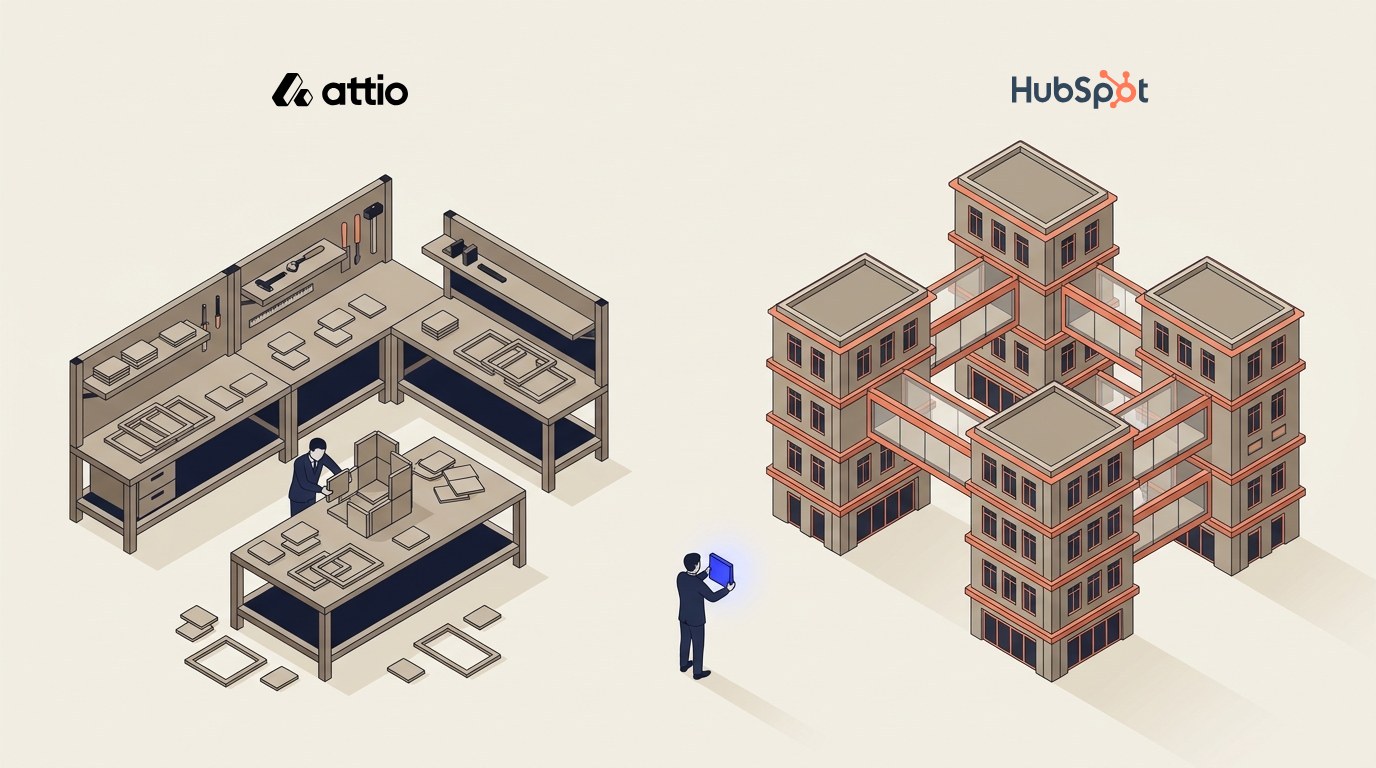
Attio vs HubSpot: pricing, data model, automation
One is a young, configurable CRM built around a flexible data model. The other is a nine hub platform with a much longer track record. Here is what each one's own documents say, feature by feature.
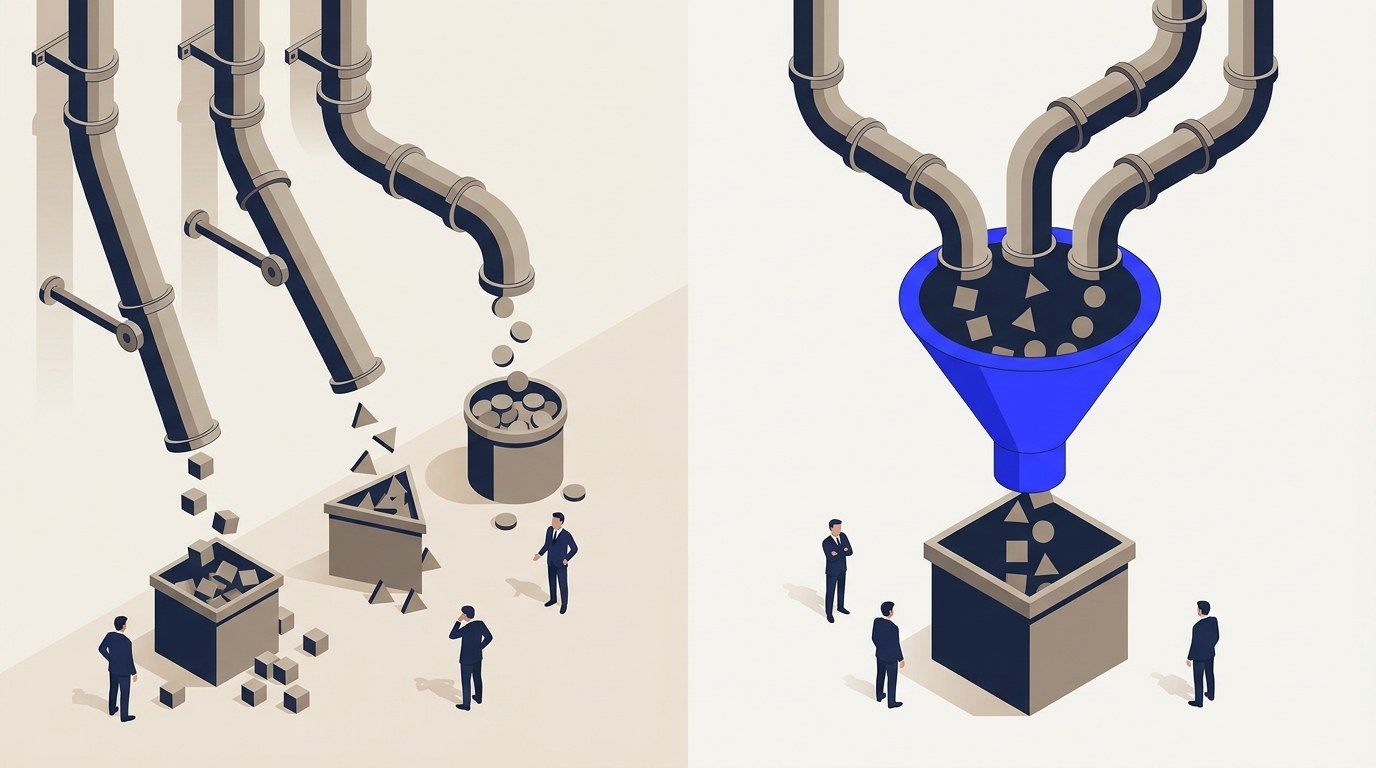
What is revenue operations? RevOps explained
RevOps is what happens when marketing, sales and customer success stop reporting from three different spreadsheets. What it owns, how it differs from sales ops, and the signs a company needs one before it has the headcount to hire one.
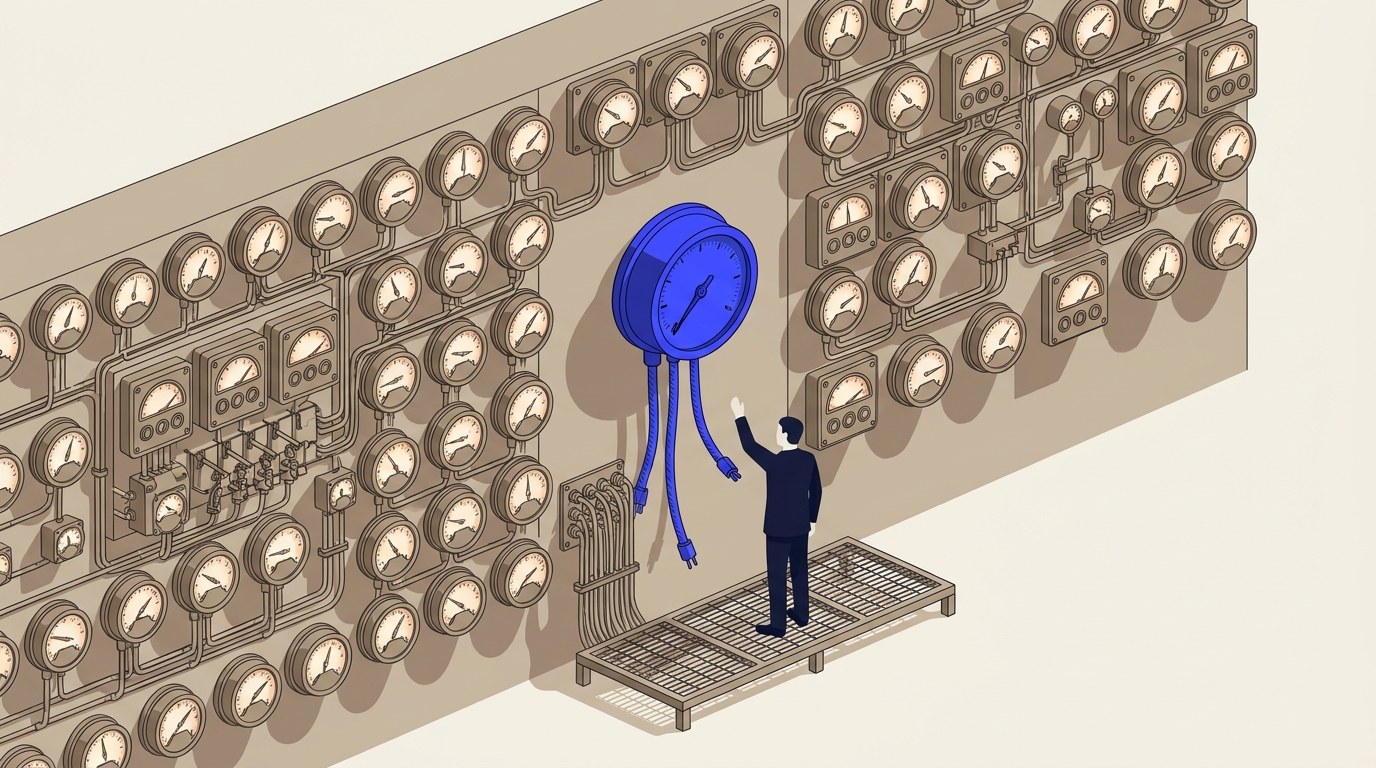
Sales dashboard: what to show and what to leave off
Most dashboards show what's easy to count. This one is built around five questions leadership decides on, the named report in HubSpot or Pipedrive that answers each, and what to leave off.
Lead scoring: how to build a model reps trust
Most scoring models are a point system somebody guessed at once, and reps figure out within a month that the number doesn't predict who buys. Here's how to build one from your own closed-won history instead, weight it, and check it every quarter.

GoHighLevel vs HubSpot: agency platform or sales CRM?
Every plan, limit and price, read from each vendor's own pages on 29 September 2026: pricing model, automation, webhooks, API, integrations, AI, security and support.

Instantly vs Smartlead: which is better for cold email?
Every plan, limit and price, read from each vendor's own pages on 29 September 2026: sending limits, warmup, AI reply automation, API access, integrations, security and support.
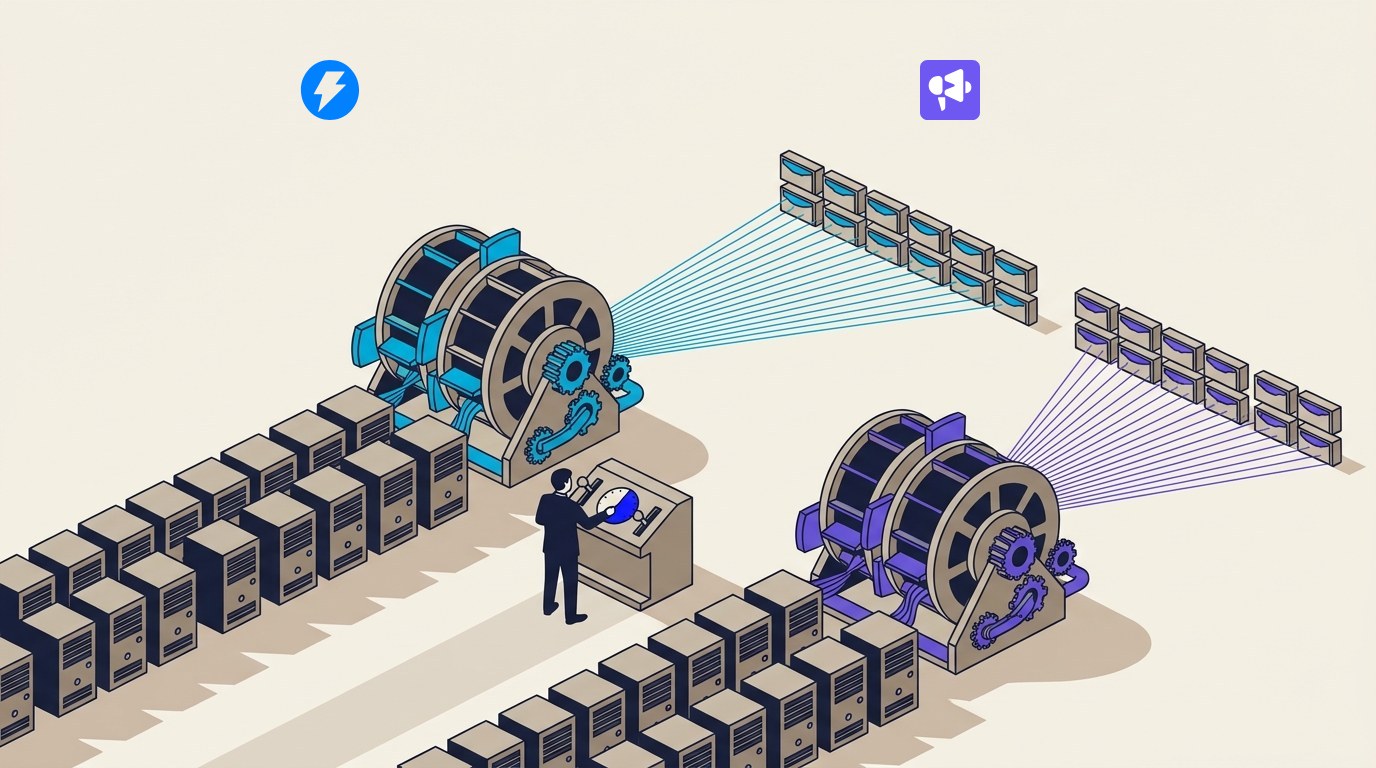
HubSpot UNBOUND 2026: what changes for sales teams
HubSpot's Fall 2026 Spotlight, read from its own release notes: the self-updating CRM, Deal Progression, Prospecting Agent and Revenue Hub. What each does, which tier unlocks it, and what's still in beta.

HubSpot vs Pipedrive: which CRM for a sales team?
Every plan, limit and price, read from each vendor's own pages on 29 September 2026: interface, automation, webhooks, API, integrations, AI, security, support and year-one cost at 5 and 15 seats.
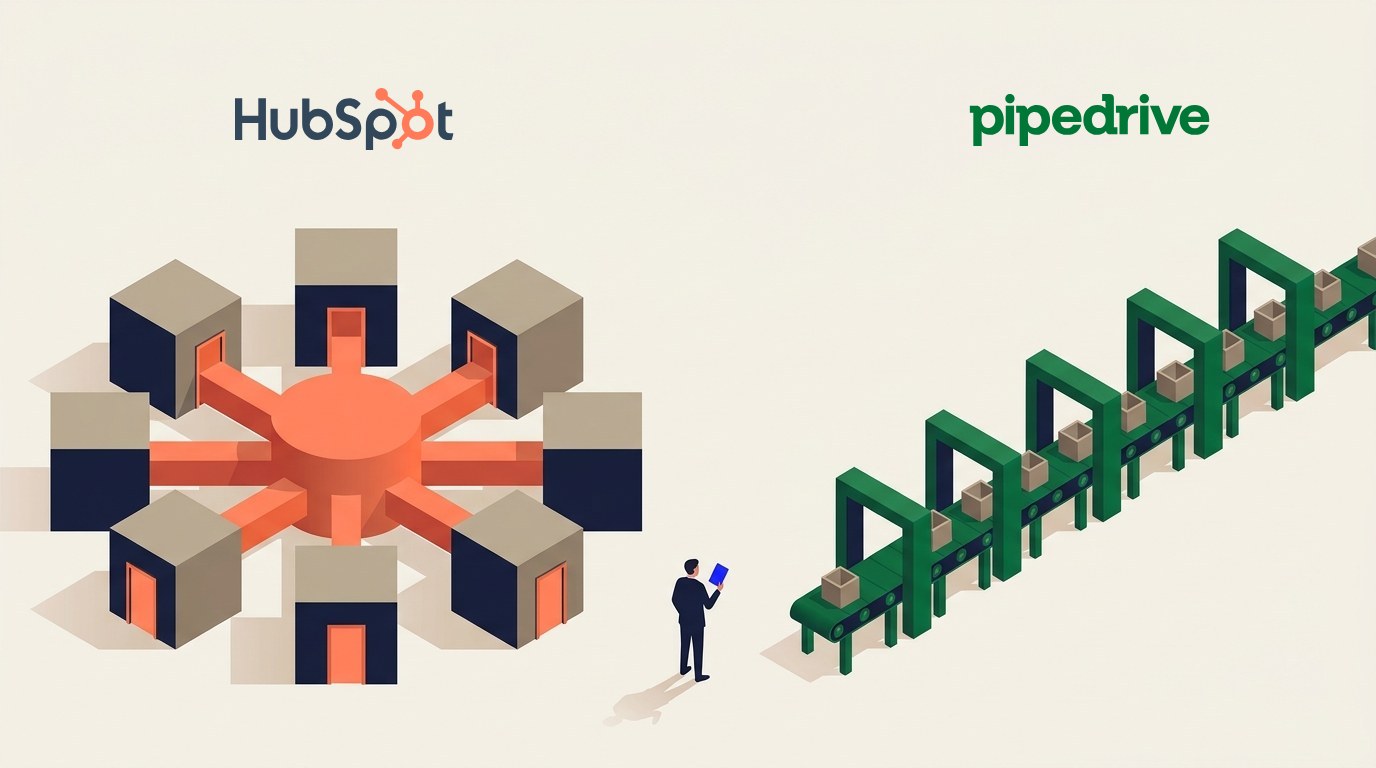
What is speed to lead? Definition, benchmarks and fixes
Speed to lead is the time between a prospect filling in your form and the first time someone on your team tries to reach them. Here's what the research says a good response time looks like, what most companies manage, and how to shorten yours.

CRM governance: who is allowed to change what?
Most teams have never answered this, and assume the CRM is keeping a record anyway. On HubSpot Starter and Professional, it is keeping a record of logins and almost nothing else.

CRM pipeline stages: give every one an exit criterion
Your CRM ships with stages named after things your rep did, and it multiplies your forecast by a number attached to each one. Booking a presentation does not make a deal 60% likely to close, but that is what the default pipeline asserts.
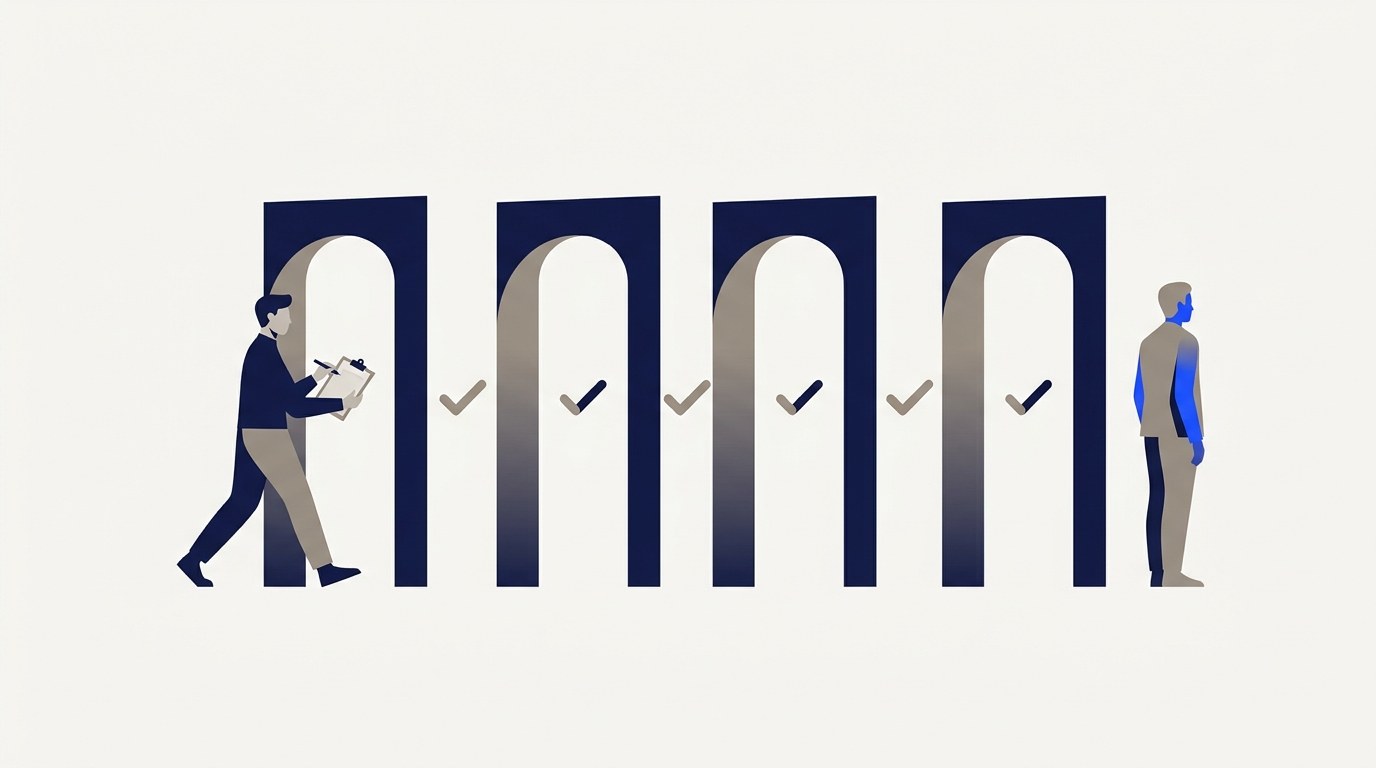
CRM change management: you cannot test the change
Every guide on this treats adoption as a people problem: communicate early, get buy-in, train properly. Below the top tier your CRM gives you nowhere to rehearse, so every change you make is made live, on real deals, in front of the team.
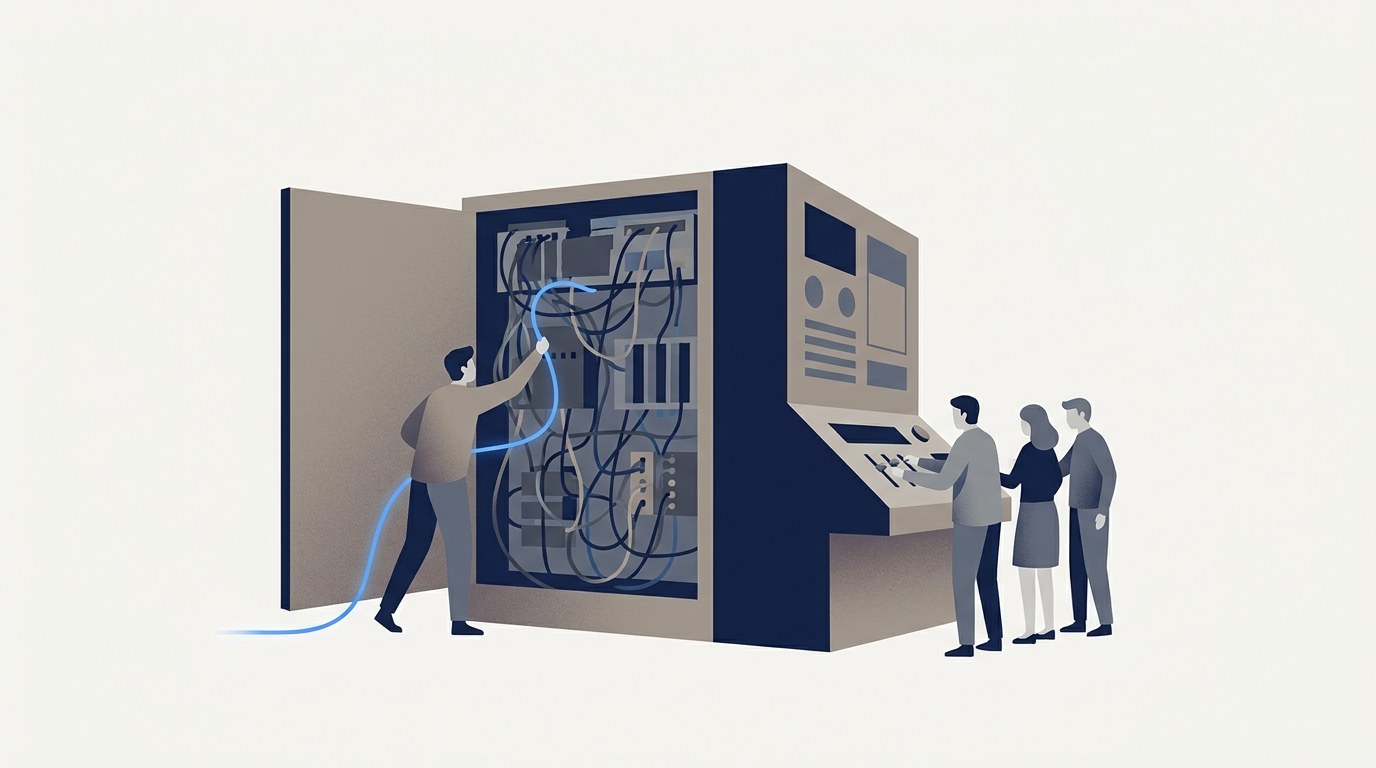
CRM deduplication: your CRM checks one field
HubSpot matches contacts on the email property. Pipedrive wants a name plus a phone, an email or an organisation. They draw the line in different places and they agree on one thing: neither checks deals, which is the duplicate that reaches your forecast.
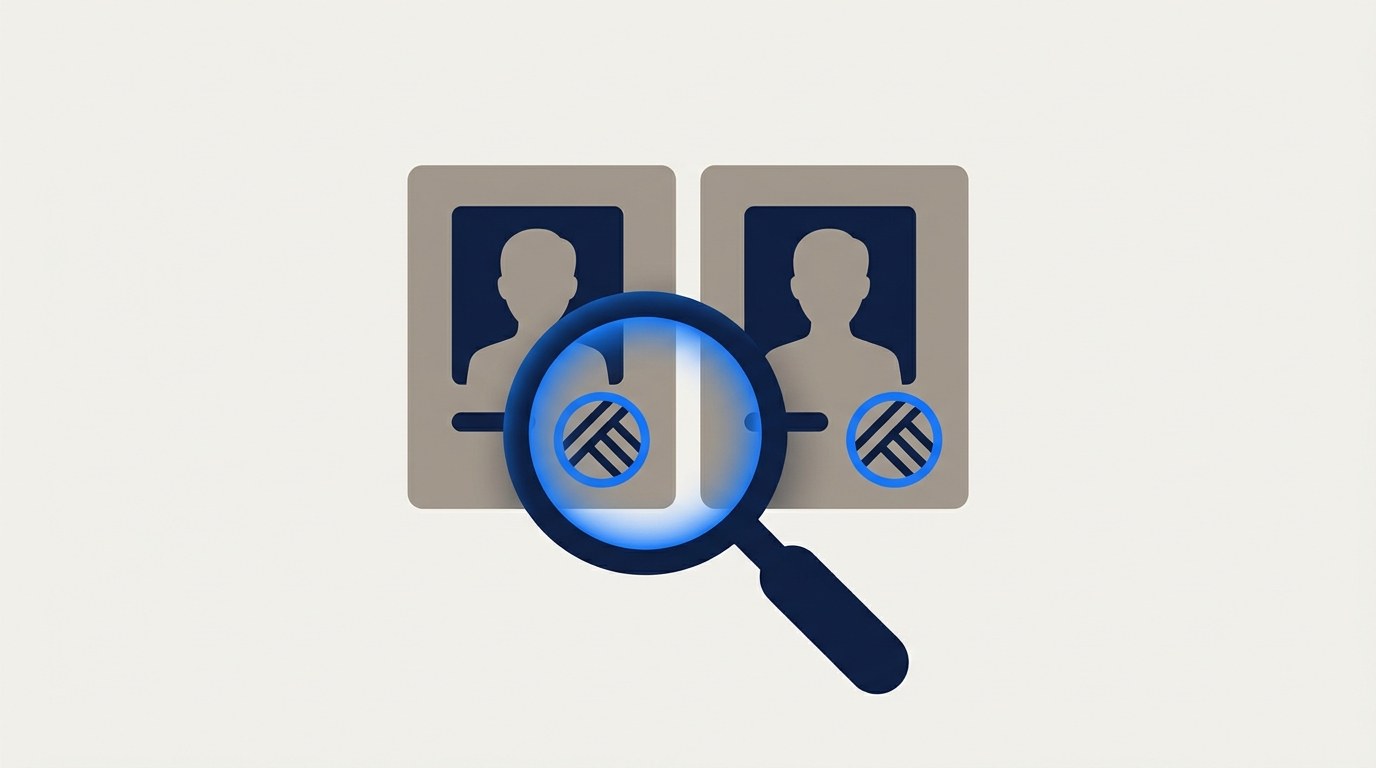
CRM adoption: what to measure instead of logins
Below Enterprise, HubSpot's activity log filters by Login and Security Activity. So the one adoption number your CRM will hand you at your tier is the one that proves the least, and teams end up measuring the thing that was available rather than the thing that matters.

Revenue operations KPIs your CRM cannot calculate
Most RevOps KPI lists mix three different kinds of number: ones the CRM computes for you, ones it can compute once you add a field, and ones it will never hold the data for. Nobody labels which is which, so teams build dashboards on numbers the system was never able to produce.

Sales infrastructure: the rules layer nobody builds
Companies without a dedicated ops person usually own the tools and improvise everything between them. The list is bought, the CRM is bought, the sending tool is bought, and the rules that connect the three live in someone's head, which is the part that breaks when that person is on holiday.

CRM project plan: the order that stops rework
Most plans for this are ordered by system: set it up, import the data, configure it, train the team, go live. That sequence guarantees you import twice, because the schema is still being argued about while the records are already landing in it.

CRM migration: who holds your data while it moves?
I read the termination clause in ten CRM contracts, asking one question: when you leave, how long do you have to get your data out? Five of the ten promise you nothing.
CRM hygiene: what it is and what the GDPR requires
Accuracy is one of the six principles the GDPR applies to every record you hold, and accountability means you have to be able to show your work. Here is the standard, the obligation, and the audit that satisfies both.